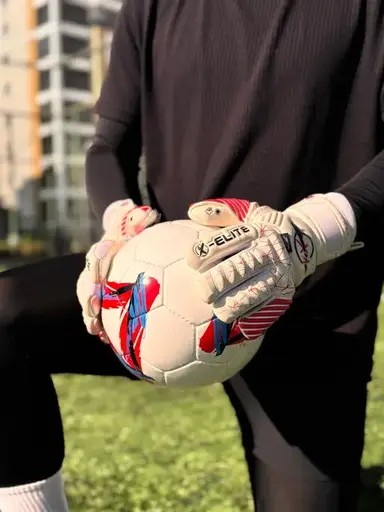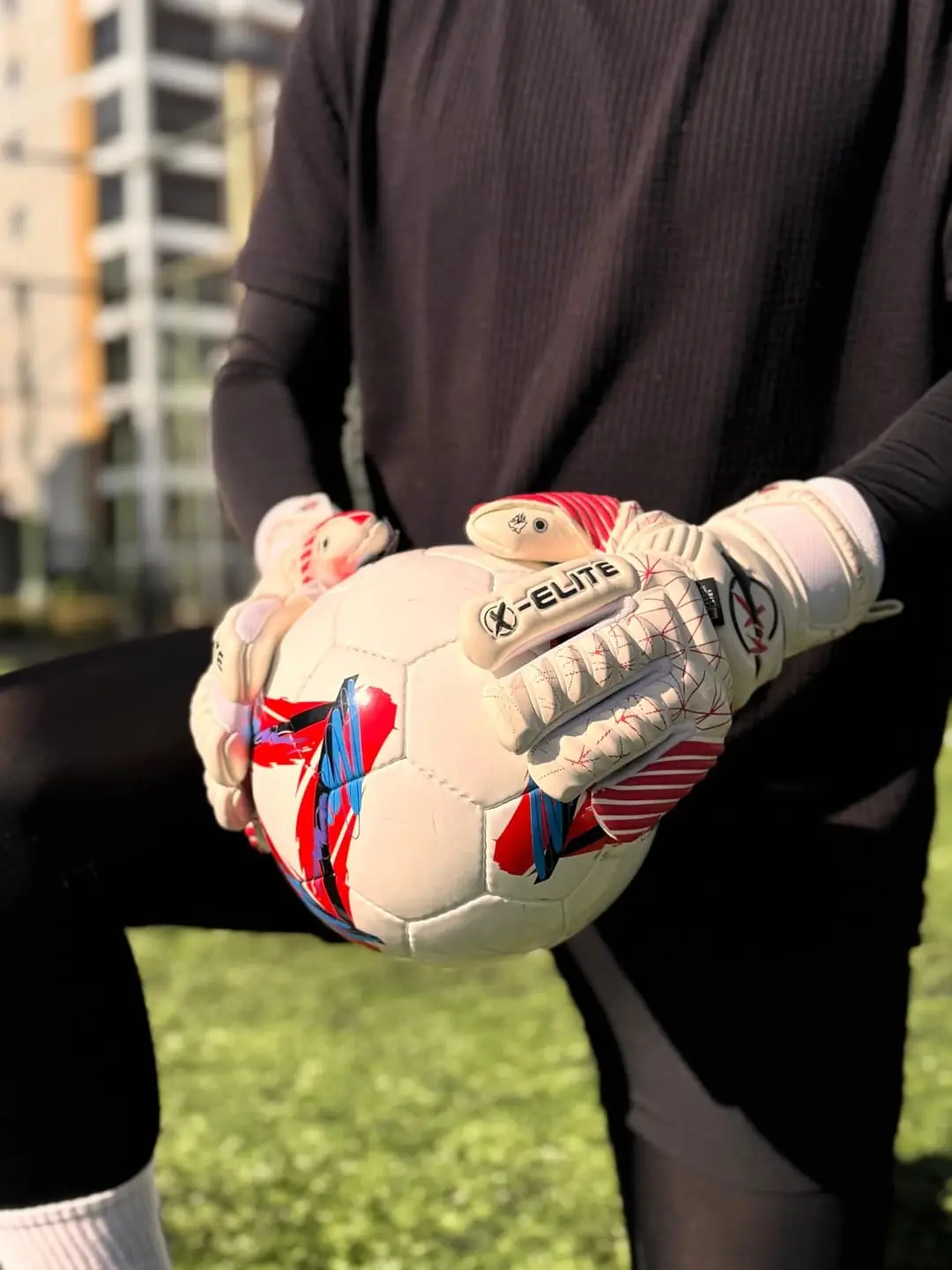
Cleaning goalkeeper gloves is about more than removing visible mud. Sweat, dust, granules and pitch debris that dry on the surface can affect grip feel, flexibility and hygiene. Harsh detergent, hot water, machine washing or direct heat can also damage the material. Good care is a gentle, repeatable process based on the product label. The model's instructions take priority over any universal temperature or washing method.
Quick answer
Clean goalkeeper gloves gently by hand using water at the temperature recommended for the model. Avoid strong detergent, machine washing, stiff brushes and direct heat unless the product's instructions expressly allow a particular method. After cleaning, remove excess water with a towel, let the gloves dry naturally in the shade and do not seal them in a closed bag while still wet.
Do not leave them dirty after use
Rinse or pre-wash new gloves before first use only if their instructions recommend it. This can help remove surface residue left by production or protective treatments and prepare the latex for use. Clean used gloves as soon as practical before sweat, mud and pitch debris dry on the latex. Leaving dirty gloves in a closed bag increases the risk of odour, bacterial build-up and stiffening of the materials.
Washing step by step
Rinse the gloves in cool or slightly lukewarm water, following the temperature guidance on the product label. Gently massage the palms with your thumbs. Avoid stiff brushes, bleach, strong detergent and fabric softener. A goalkeeper glove cleaner compatible with the product may be used. Rinse until the foam and dirt have been removed. To remove excess water, squeeze gently from the fingertips towards the wrist rather than twisting or wringing the gloves.
How to dry them
Wrap the gloves in a clean towel and press gently to absorb excess moisture; do not rub with the towel. Then dry naturally in a ventilated area away from direct sunlight, radiators, hairdryers, drying cabinets and other sources of intense heat. Drying time varies with temperature, air circulation and the glove's internal construction. Excessive heat and intense UV exposure can affect the latex's flexibility and surface properties and accelerate material ageing.
Managing odour and hygiene
Prolonged dampness is a major cause of persistent odour. Take the gloves out of the bag after each use, leave the wrist openings open and allow air to circulate. Perfume, cologne and aggressive disinfectants can damage latex and lining. If hygiene problems continue, the internal construction may have deteriorated.
Storage
Do not put wet gloves in a closed bag. Store them in a cool, dry place away from direct sunlight, with the palms separated. Damp latex surfaces can stick together and tear when pulled apart. Before using a glove bag for storage, clean the gloves, dry them appropriately and avoid leaving the bag unventilated for long periods.
What to avoid during cleaning
- Washing machines and tumble dryers unless the label specifically permits them.
- Stiff brushes, forceful rubbing or wringing.
- Radiators, hairdryers and direct sunlight.
- Chemicals and household cleaners without confirmed latex compatibility.
Frequently asked questions
Should every model be washed at the same temperature?
The manufacturer's care instructions are the reference. Do not apply another brand's temperature recommendation to every model.
Can I dry gloves quickly on a radiator?
Avoid intense heat. Let them dry naturally in a shaded, ventilated area.
Related guides
Signs your gloves may need replacing / Match and training glove differences
Explore KXSPOR goalkeeper gloves and review the model's technical description, sizing and care information together.