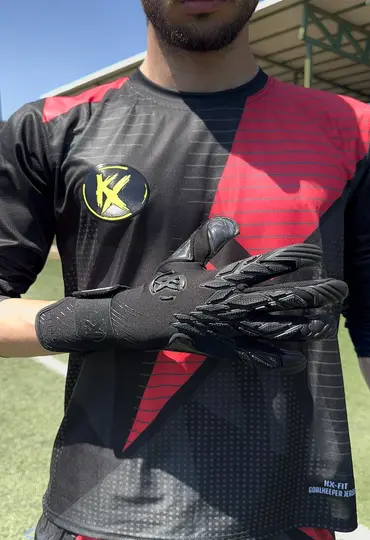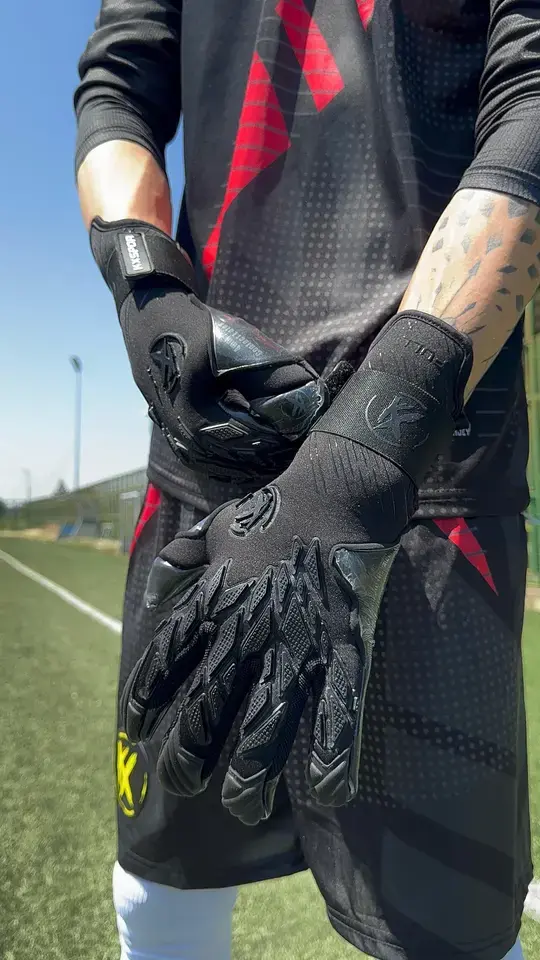
The difference between match gloves and training gloves is more than the product label. A match pair may prioritise ball feel and strong grip, while repeated drills, hard surfaces and frequent use can make durability more important in a training pair. One pair can serve both purposes. As your workload increases, however, rotating separate pairs may make more sense for performance and budget management.
Quick answer
Match gloves prioritise grip, ball feel and confidence. Training gloves need to withstand repeated movements and contact with the playing surface. Using separate pairs can reduce unnecessary wear on your match gloves.
What matters in match gloves?
Every contact with the ball can affect the result of a match. Your match gloves should therefore fit securely, provide dependable palm grip and give you the ball feel you prefer. Soft, performance-focused latex may suit this purpose. Keep the gloves clean and appropriately damp before use, following their care instructions, and carry them without crushing them in your bag.
What should training gloves do?
Training can involve repeating the same movement dozens of times. Diving, getting up, handling rebounds and contact with artificial surfaces may wear the palm more heavily than a match. Balanced grip, sound stitching and resistance to wear become important. You can consider using an older match pair for training, but reassess gloves whose grip has completely deteriorated or whose seams have opened.
Why use two pairs?
Separate match and training pairs may look like an extra expense at first, but they can reduce unnecessary wear on the match pair. Reserving your main pair for matches and selected performance sessions may help maintain more consistent grip for important occasions. A spare pair is also useful in rain or if a glove is unexpectedly damaged.
How to organise a glove rotation
You could use one pair for matches, another for intensive training and an older but usable pair as a spare. Do not stack wet gloves together in the same bag. Clean and dry them after use in accordance with the care instructions, and avoid storing the palms pressed against each other.
One pair or a rotation?
- Occasional use: one pair may provide suitable grip and construction for both roles.
- Frequent training: drying time and wear may make a spare pair useful.
- An older match pair: check the grip, seams and wrist fastening before moving it into training use.
Frequently asked questions
Do I have to buy two pairs?
No. The decision depends on how often you play, the grip you need, drying time and your budget.
Can I use old match gloves for training?
You can consider it if their grip and construction still meet your needs. Significant structural damage needs separate attention.
Related guides
How to choose goalkeeper gloves / Goalkeeper glove size guide
Explore KXSPOR goalkeeper gloves and check each model's technical description, sizing and care information together.